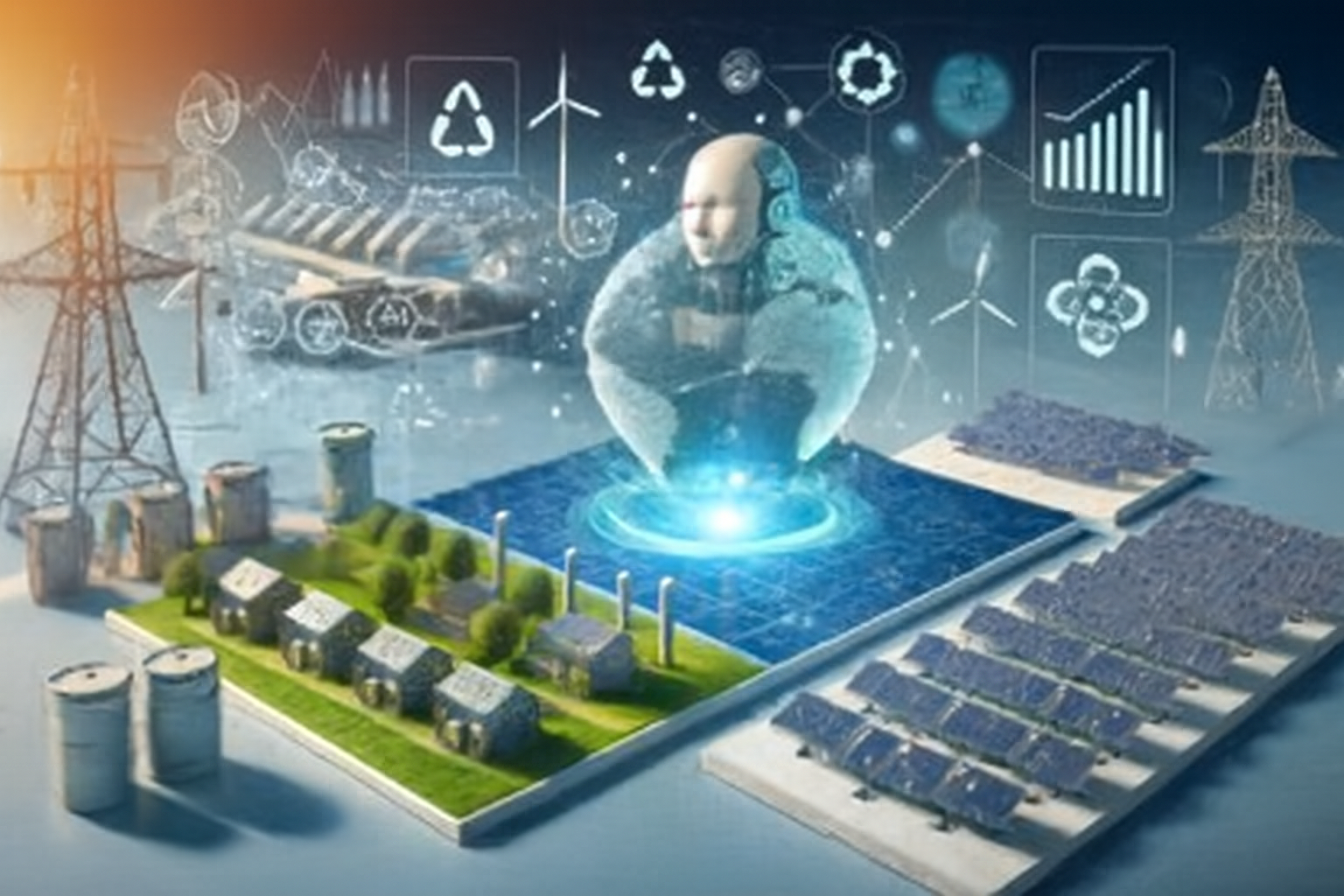
What Are AI-Driven ECMs? Discover How They’re Transforming Energy Use in Retail Facility Management
Introduction
In the face of rising energy costs and increasing environmental concerns, retail facility managers are turning to innovative solutions to optimize energy consumption. Traditional methods often fall short in addressing the complexities of modern retail environments. Enter AI-driven Energy Consumption Management (ECM) systems—intelligent platforms that leverage artificial intelligence to monitor, analyze, and optimize energy usage in real time. These systems are not only enhancing operational efficiency but also contributing to significant cost savings and sustainability goals.
Understanding AI-Driven ECMs
AI-driven ECMs are advanced systems that utilize machine learning algorithms, IoT sensors, and data analytics to manage energy consumption in retail facilities.
Definition and Components
Key components include smart sensors and IoT devices, centralized analytics platforms, and automated control systems for HVAC, lighting, and refrigeration.
Functionality
These systems continuously monitor energy consumption, detect inefficiencies, and make real-time adjustments to optimize energy use without compromising comfort or operational needs. For instance, AI can adjust HVAC settings based on occupancy patterns and external weather conditions.
Key Benefits for Retail Facility Management
Real-Time Energy Monitoring
AI-driven ECMs provide facility managers with up-to-date insights into energy consumption across multiple locations, enabling prompt identification of inefficiencies.
Predictive Maintenance
By analyzing historical data and usage patterns, AI can predict equipment failures before they occur, allowing for timely maintenance and reduced downtime.
Automated Energy Adjustments
AI systems can autonomously adjust HVAC and lighting based on occupancy and external conditions, ensuring optimal energy use without compromising comfort.
Cost Savings
By optimizing energy consumption, retailers can achieve significant reductions in energy costs. Example: a large home improvement retailer saved over 19% on energy costs across 2,100 stores over a decade by implementing AI-driven ECMs.
Sustainability Goals
AI-driven ECMs contribute to reducing carbon footprints and support compliance with environmental regulations. Hilton Hotels achieved a 30% reduction in carbon emissions and waste output through AI-driven energy management solutions.
Real-World Applications and Case Studies
Starbucks
Starbucks implemented AI-driven energy management solutions across 100 stores, enhancing visibility into HVAC systems and achieving significant energy savings.
Salling Group
The Danish retail group utilized AI to reduce energy consumption by 20%, equating to over 100 tonnes of CO2e annually.
45 Broadway, NYC
The 32-story office building reduced HVAC-related energy consumption by 15.8%, saving over $42,000 annually and cutting 37 metric tons of CO2e through AI-driven HVAC optimization.
Overcoming Challenges in Implementation
Data Integration
Ensuring seamless integration of AI systems with existing building management infrastructure is crucial. This may involve upgrading legacy systems or implementing standardized communication protocols.
Cost Considerations
Evaluating the return on investment for AI-driven ECMs is essential, especially for smaller retailers. While initial costs may be high, long-term savings and efficiency gains often justify the investment.
Staff Training
Equipping facility management teams with the necessary skills to operate and maintain AI systems effectively is vital. This may involve training programs and ongoing support.
Privacy and Security
Addressing concerns related to data privacy and cybersecurity in AI implementations is paramount. Implementing robust security measures and complying with data protection regulations can mitigate risks.
The Future of AI in Retail Energy Management
Advancements in AI Technology
Continuous improvements in machine learning algorithms will enhance the accuracy and efficiency of energy management systems, leading to more sophisticated predictive capabilities and optimization strategies.
Integration with Renewable Energy Sources
AI can facilitate the integration of solar and wind energy into retail operations, further reducing reliance on non-renewable energy and supporting sustainability goals.
Expansion to Emerging Markets
As AI technology becomes more accessible, its adoption in retail facility management is expected to grow globally, including in emerging markets where energy efficiency is a growing concern.
Conclusion
AI-driven Energy Consumption Management systems are transforming retail facility management by providing real-time energy optimization, predictive maintenance, and substantial cost savings. Retailers should consider adopting AI-powered energy management solutions to enhance operational efficiency and contribute to sustainability efforts. Embracing AI in energy management is not just a technological upgrade but a strategic move towards a more sustainable and cost-effective future in retail operations.