Beyond the Broom: How Smart Cleaning Technologies Are Revolutionizing Facility Maintenance
AI-Driven Cleaning Robots: The New Workforce
Autonomous Operation
AI-powered cleaning robots are equipped with advanced sensors and algorithms that allow them to navigate complex environments autonomously. They can detect obstacles, map their surroundings, and adjust their cleaning paths in real-time, ensuring thorough and efficient cleaning without human intervention.
Adaptive Learning
These robots learn from their environment over time, improving their cleaning patterns and efficiency. By analyzing data from previous cleaning sessions, they can optimize their performance, reducing energy consumption and increasing cleaning effectiveness.
Real-Time Monitoring
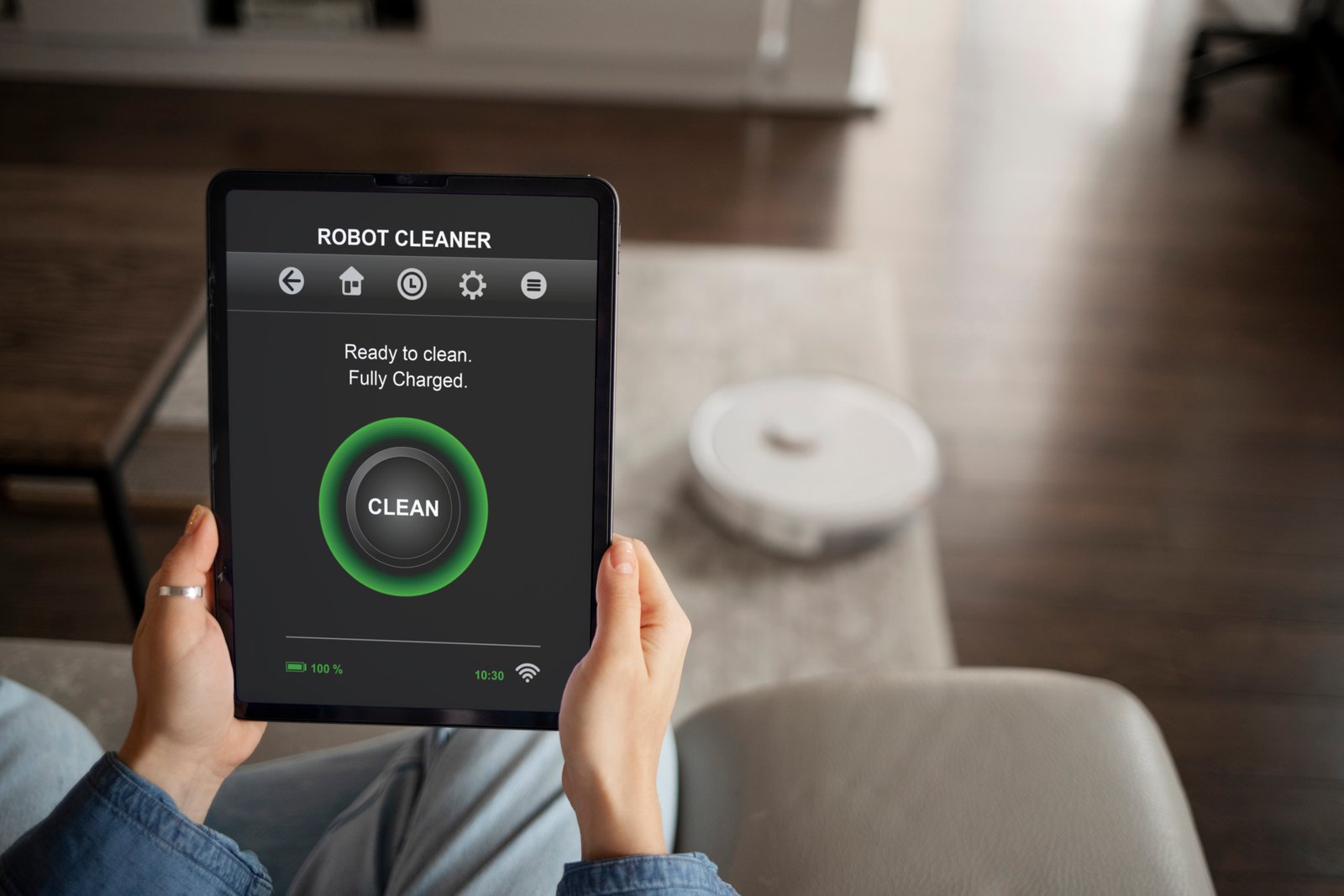
AI cleaning systems provide facility managers with real-time data on cleaning progress, alerting them to areas that need attention or issues that arise during cleaning. This enables proactive maintenance and ensures that cleaning standards are consistently met.
IoT-Enabled Sensors: Real-Time Monitoring and Control
Smart Dispensers
IoT-enabled soap, paper towel, and sanitizer dispensers alert facility managers when refills are needed, preventing shortages and ensuring hygiene standards are met.
Air Quality Monitoring
Sensors can detect air quality levels in real-time, allowing for automated adjustments in ventilation systems to maintain a healthy indoor environment.
Occupancy Sensors
By monitoring foot traffic, IoT sensors can identify high-traffic areas that require more frequent cleaning, ensuring resources are allocated efficiently.
Integration and Automation: Streamlining Operations
Centralized Management
IoT and AI technologies can be integrated into a centralized facility management system, allowing for seamless coordination of cleaning tasks and real-time monitoring of hygiene standards.
Predictive Maintenance
AI algorithms can predict when cleaning equipment will require maintenance, reducing downtime and extending the lifespan of assets.
Resource Optimization
Automated systems can adjust cleaning schedules and resource usage based on real-time data, leading to cost savings and reduced environmental impact.
Benefits Beyond Cleanliness
Enhanced Hygiene Standards
AI and IoT technologies ensure that cleaning is performed to the highest standards, reducing the risk of contamination and promoting a healthier environment.
Operational Efficiency
Automation reduces the need for manual labor, allowing staff to focus on more complex tasks and improving overall productivity.
Sustainability
Smart cleaning systems optimize the use of cleaning agents and water, contributing to environmental sustainability by reducing waste and chemical usage.
Conclusion
The integration of AI-driven cleaning robots and IoT-enabled sensors is revolutionizing facility maintenance. These technologies not only enhance cleanliness but also improve efficiency, sustainability, and overall facility management. As the demand for higher hygiene standards continues to rise, embracing smart cleaning solutions is becoming essential for modern facilities.